Introduction
These days, personal information is all over the internet. Hackers desire your passwords, bank accounts, and personal photos. Identity theft is devastating lives and amounts to a waste of thousands of dollars a year. That’s why understanding how to protect your data online: simple steps to stay safe has become more important than ever. Easy ways of doing things ensure that criminals and snoopers cannot get hold of your data.
Small adjustments make a big difference, from using strong passwords to building safer browsing habits. In modern times, it is important that everybody learns how to protect their data online: simple steps to stay safe to avoid cyber threats. This guide provides you with straightforward, practical steps that could be followed by anybody. Your digital life is under attack, just protect it!
Creating Strong Passwords
Easy passwords will leave the door to your house open. 123456 and a password that is easily hacked within a few seconds. Good passwords are a combination of letters, numbers, and other special characters. Always make them at least 12 characters. You should use different passwords in each and every account. Never again use the same passwords to use in different websites.
Password managers store all the information in a safe and secure manner. The strong passwords they make are generated automatically on demand. The best free alternatives are LastPass and Bitwarden. Use paper to write down passwords in case you are in the Stone Age. You need only keep that paper in a very safe place at home. If you think that there has been any breach, change the passwords immediately.
Enable Two-Factor Authentication Everywhere
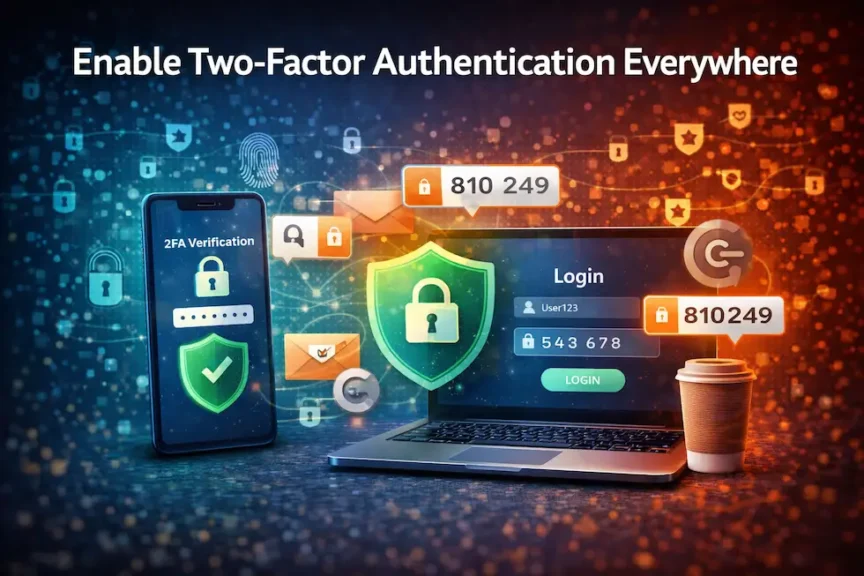
Two-factor authentication gives the added security features to password as well. You must have a password and a code. Codes are sent through the use of text messages or authenticator apps. Hackers cannot log-in even in case they steal your password. Start with 2FA in email, banking and social media. Google Authenticator and Authy are useful in code generation. Instead, some of the services utilize fingerprints or face recognition.
Such a basic measure prevents the majority of hacks. Admittedly, it includes an extra-step during the registration. And the inconvenience would be compensated by the gained security. The use of 2FA in most large websites is absolutely free. This is a great protection tool which you should not overlook.
Be Careful With Public WiFi
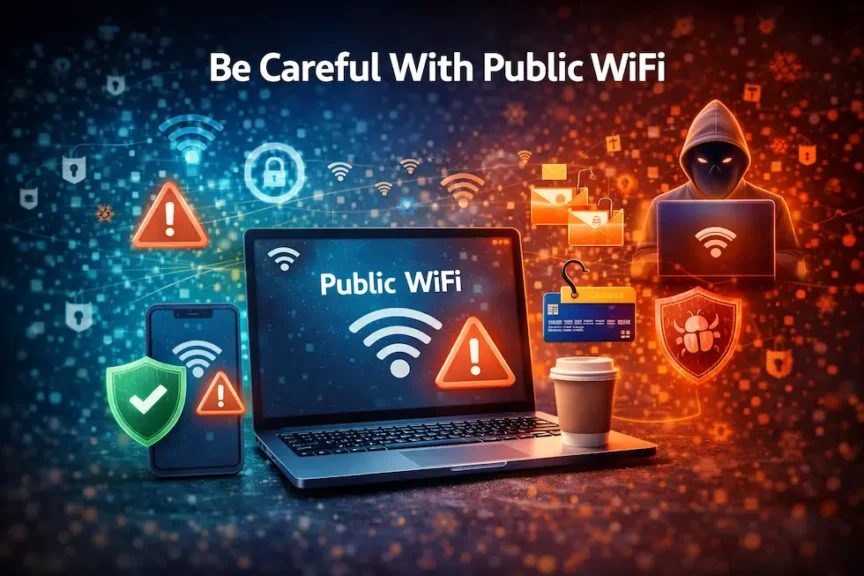
It always appears handy to have free WiFi in cafes and airports. However, these networks are threatening to your personal information. Through hackers, it is easy to keep an eye on what you are doing online. Always do not check the banking or merchandise via the public networks. Sensitive activities should be done with your mobile data. VPN services protect the encryption of the internet and everything. They conceal your affair under spying eyes. Nord VPN and Express VPN are commonly used reputable ones.
Update Software and Apps Regularly
New features are not really all about software updates. They seal security vulnerabilities used by hackers on a daily basis. Automatically update all devices. This comprises phones, computers, and tablets which are equally important. Security patches must also be updated for the apps. Obsolete software is equivalent to broken locks all around. There are vulnerabilities that hackers are aware of how to attack to be successful. This only requires minutes of updates but eliminates huge issues. Never put off update notifications anymore.
Recognize Phishing Scams
Fraud emails are counterfeited as companies they are associated with. They request one to click links or give information. Email Banks do not demand passwords at any time. Look at the email addresses used to send checks so carefully and check on the spelling. An image of the actual destination appears when flying over links. Messages of panic are often spam. Typical phishing is the closure of accounts.
Never open any attachments from people who are unknown to you. In case of any doubts, simply call the company. Official websites should be used to access the phone numbers, not emails. Email phishing phishers to your email provider. The only defense in such tricks is through education. Visit the phishing awareness guide for more examples.
Be Smart About Personal Information
Please do not post too much about your life publicly on the internet. Complete date of birth is the way your identity is stolen by identity thieves. The maiden name of the mother is one of the frequently given security question answers. Grow-up street is displayed in password recovery. Be more discreet with the information. Change the social media privacy to friends only. It is better to use a nickname rather than a real full name. False division of professional and personal social media.
Monitor Your Accounts Regularly
Look into suspicious transactions in the form of check, bank statements at the minimal time possible. Check credit card accounts when they arrive. Install purchase alerts on purchases beyond a given amount. Annual credit reports offered free of charge by major credit agencies. Identity theft is usually not realized within months or even years. In time, the damage is minimised, and recovery is expedited. Change passwords in case you detect some form of strangeness or deviation.
Teach Family Members About Security
Protection education is required among children and old parents. These vulnerable populations of people are always targeted by scammers. Educate children on who they should not tell their personal information to strangers. Give reasons why the use of strong passwords and privacy settings is important.
Elderly people become victims of tech support scams quite often. Alert them that firms do not make any calls in need of remote access. Gossip about security with the family on a regular basis. Post articles and news on the latest scams going on. Establish a secure atmosphere in which individuals report suspicious incidents. Family members safeguard themselves by virtue of collective knowledge. The best security is one in which everybody visits hand in hand.
Conclusion
It is no longer a choice as to how to secure your information on the internet. It is something imperative to all internet users nowadays. The first defence line is comprised of strong, unique passwords. Two-factor authentication incurs an essential additional security control with minimal difficulty. It is preferable never to use WiFi in sensitive activities in the public. Always update all the technologies with security patches. Be aware of phishing so it does not rob you of your information.
FAQs
Q1: How can I safeguard my information easy enough on the internet?
Create powerful, unique passwords for each account. Bring in two-factor authentication where possible. The two steps prevent the majority of attacks instantly.
Q2: Are free VPNs safe to use?
Other free VPNs sell online data to generate revenue. Resort to brand names such as ProtonVPN. Premium VPN services have more security and privacy.
Q3: What is the number of times that I need to change my passwords?
Ideally, change passwords every 3 to 6 months. Act now in case you believe that there was any breach or unauthorized access occurred.
Q4: Are password manager applications trustworthy?
There, well-known passwords are visibly encrypted. They are far more secure than managing to use weak passwords everywhere or even writing down passwords.
Q5: What shall I do when my data gets stolen?
You should change the passwords at once. Banking contact agency and credit card companies. Record a police report on the file and freeze your credit to avoid injury.
Also Read: Best Antivirus Software for Windows 11 Free: Protect Your Computer Today